A home is rarely calm all day long. It moves with us—sometimes quickly, sometimes quietly—shaped by routines we repeat without thinking. The difference between a good space and a frustrating one often shows up in the small moments: the rushed mornings and the slow evenings. These are the times when our homes are tested, not by how they look, but by how well they keep up.
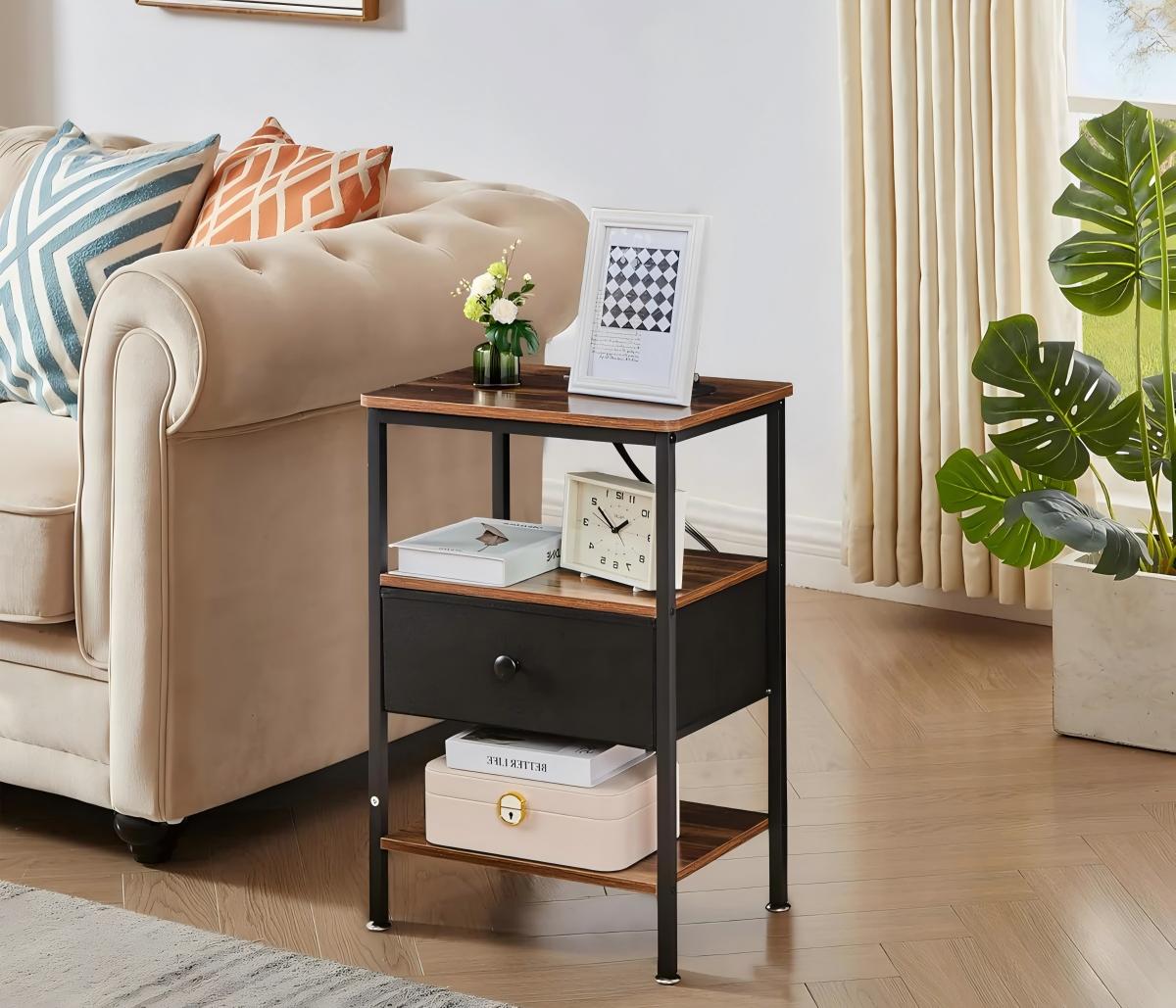
Mornings tend to be practical by necessity. We wake up already thinking about what’s next—work, schedules, responsibilities waiting outside the door. In these hours, a home needs to be intuitive. There’s little patience for searching, rearranging, or making extra decisions. Furniture that works well in the morning doesn’t demand attention. It supports movement, offers access, and quietly stays out of the way. A nightstand that keeps essentials within reach or allows devices to charge overnight can remove small points of friction before the day even begins.

This kind of support often goes unnoticed, and that’s exactly the point. When furniture is designed to be used without thought, it blends into routine. A stable bed frame, a surface that’s always where you expect it to be, or storage that doesn’t require reorganization each morning—all of these help a space function smoothly during the busiest part of the day. Good design here isn’t about expression; it’s about reliability.

As the day progresses, the demands on a space begin to change. Evenings are rarely as structured as mornings. They carry a different kind of weight—one that asks for release rather than efficiency. After hours of external noise and constant input, home becomes a place to slow down. Furniture plays a different role at this point. Instead of helping you move faster, it helps you pause.
This transition doesn’t require an entirely new space. It simply asks that the same environment respond differently. A bedside table that felt purely functional in the morning becomes a place for a book, a glass of water, or a soft lamp at night. The bed is no longer just where the day starts, but where it gently ends. The best spaces allow this shift without effort, without needing to be rearranged or redefined.

What makes this possible is not complexity, but balance. When furniture is thoughtfully designed, it doesn’t force a room into a single purpose. Instead, it adapts to how the room is actually used. The same bedroom can support urgency and rest, movement and stillness, simply by being consistent and dependable. This kind of flexibility doesn’t announce itself. It’s felt over time, through repeated use.
Living spaces are rarely static, and they don’t need to be. A home that truly works is one that accommodates different speeds within the same walls. It understands that life isn’t lived in perfect moments, but in transitions—between leaving and returning, between activity and rest. Furniture that supports these transitions quietly becomes part of daily life, rather than an obstacle to manage.

At VECELO, we believe furniture should support the way people actually live. Not by controlling behavior or defining routines, but by fitting into them naturally. When your space adapts to both busy mornings and slow evenings, it stops asking for attention and starts offering support. And that’s when a home begins to feel less like something you manage, and more like something that moves with you.