
Not every home has extra space. Sometimes, there isn’t a separate room for reading, or a dedicated area to unwind. Life unfolds in shared spaces — the living room becomes a workspace, the dining table doubles as a desk, and quiet moments are often squeezed between routines.
But even in the smallest homes, there is usually a corner waiting to be noticed.
Creating a cozy corner isn’t about adding something new. It’s about recognizing a space that already exists — and allowing it to feel like your own.

A Small Space That Belongs to You
In a busy home, it’s easy for every surface to serve a practical purpose. Things are placed where they fit, not where they feel meaningful.
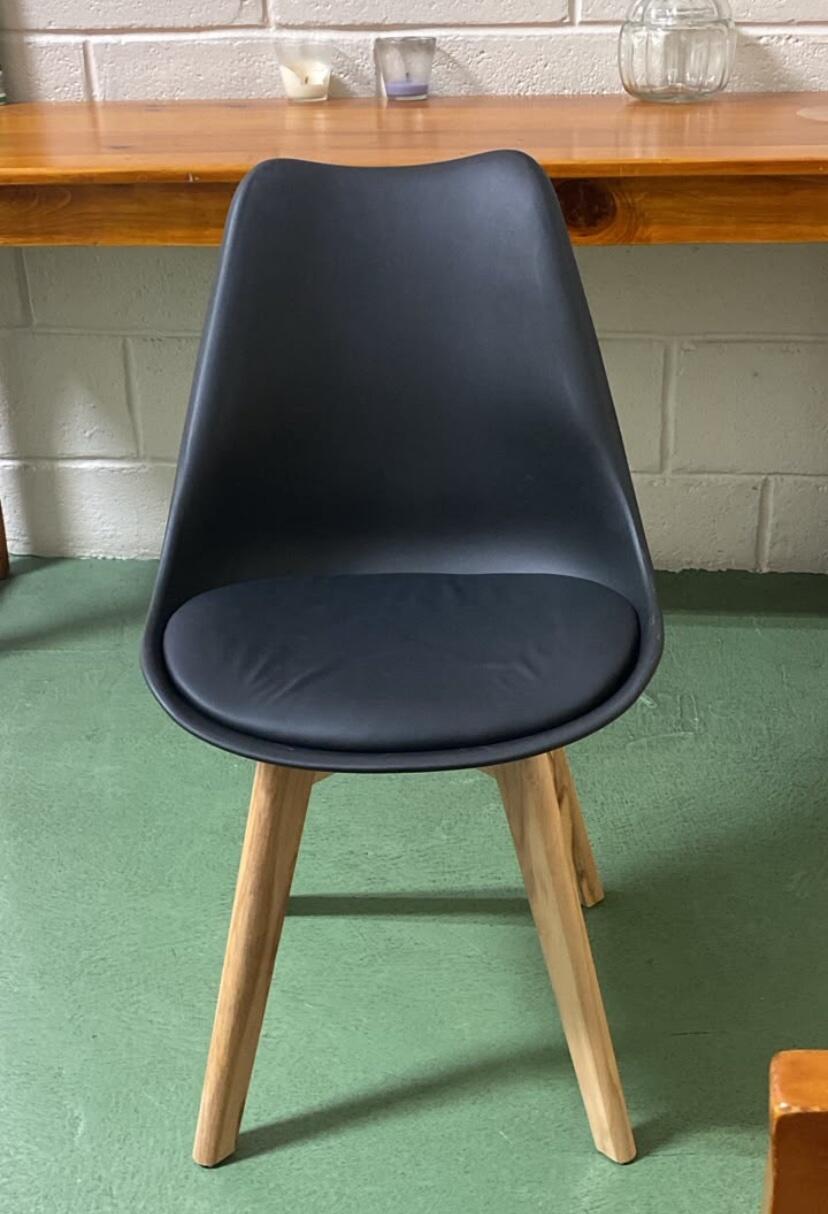
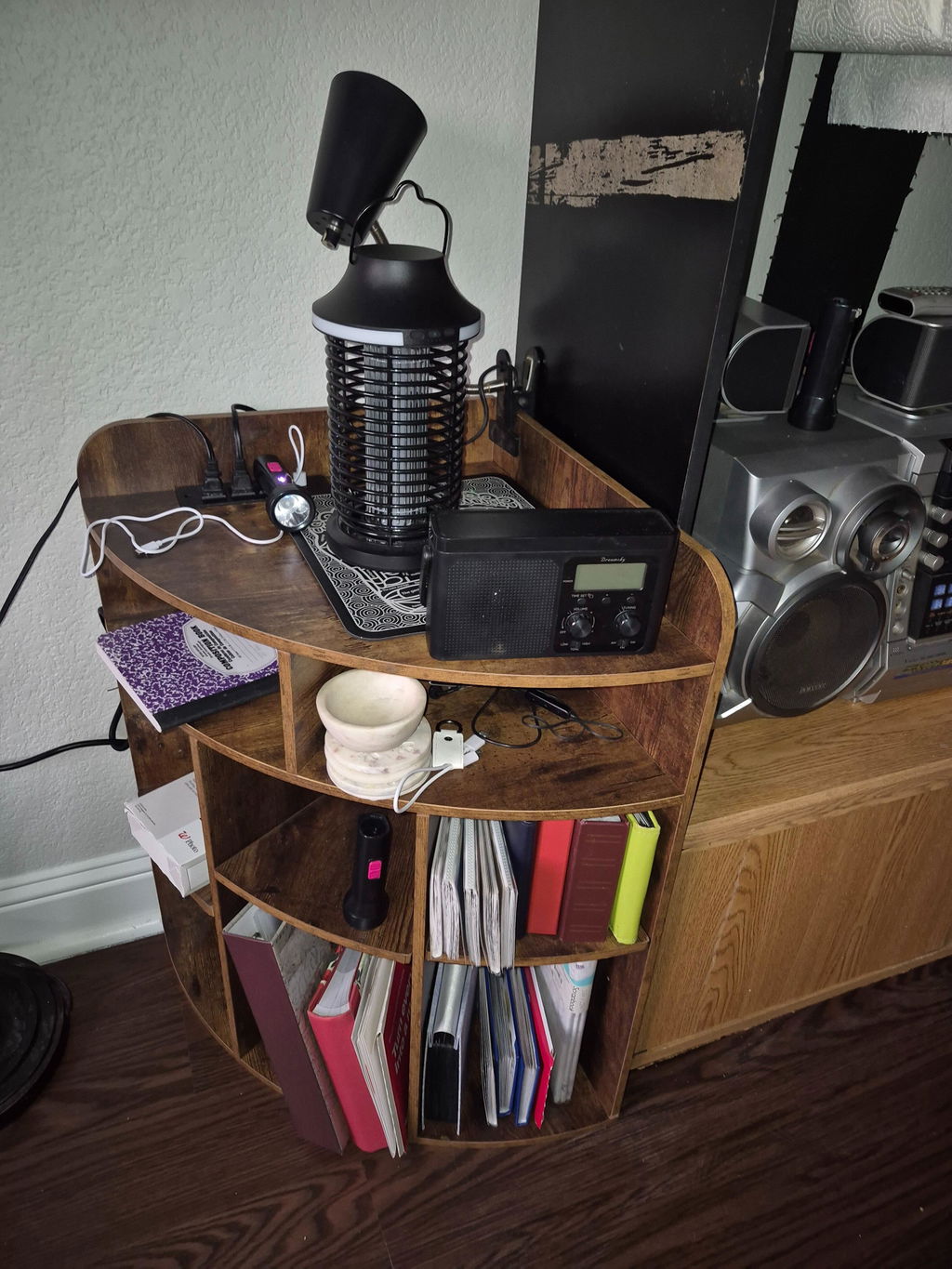
A cozy corner begins differently. It starts with a small intention — a place where you can sit for a few minutes without distraction. It might be by a window, near a soft light, or simply a quiet spot that feels slightly removed from movement. A small table, a chair that’s easy to settle into, or even a simple surface to hold a book or a cup can quietly define this space. It doesn’t need to be elaborate. It just needs to feel consistent, like something you return to.
Over time, that corner becomes familiar. Not because of what it contains, but because of how it’s used.

Let It Feel Natural, Not Designed
There’s a difference between styling a corner and living in one. A space that feels too arranged can lose its warmth. A cozy corner works best when it feels effortless — as if it came together gradually rather than all at once.
A soft light in the evening. A book left open. A chair slightly pulled out instead of perfectly aligned. These small details make the space feel lived in rather than staged. Furniture here should feel light and adaptable. A compact table that can move when needed, or a chair that doesn’t visually overwhelm the room, helps the corner remain part of the home instead of taking it over.

Quiet Moments, Gently Held
What makes a space feel cozy is often less about objects and more about how time passes within it. A few minutes with coffee in the morning. A pause in the afternoon light. The habit of sitting down, even briefly, before the day continues.
In smaller homes, these moments don’t happen in isolation — they exist alongside everything else. That’s what makes them feel real. A well-placed piece of furniture can support this without demanding attention. A small table near the sofa, a surface by the window, or a simple setup that holds only what you need in that moment.
The corner becomes less of a place, and more of a rhythm.

Even the Smallest Homes Can Feel Personal
It’s easy to think that comfort requires space. That you need an extra room, more square footage, or a perfectly planned layout.
But often, comfort begins much smaller. A corner that feels yours. A place that doesn’t ask anything from you except to sit, pause, and exist for a moment. In a compact home, this kind of space matters even more. It softens the edges of a busy layout and brings a sense of calm into everyday routines.
And sometimes, it’s these quiet, almost unnoticed corners that make a home feel complete.