When two people decide to share a home, it’s rarely just about logistics. It’s about blending habits, rhythms, morning moods, night routines—the soft, invisible parts of daily life that slowly shape the atmosphere of a space. Living together isn’t a sudden transformation. It’s a gentle unfolding, where two worlds meet, negotiate, and gradually learn to settle into one.
A shared home doesn’t appear the moment you unpack boxes. It grows over time, in the quiet places where you learn to meet each other halfway.

Finding the Middle Ground
Most couples discover quickly that living together means learning to merge different tastes. One person gravitates toward structure, the other toward spontaneity. One prefers warm colors, the other minimal neutrals. These differences don’t cancel each other out—they form the beginning of a new, blended design language.
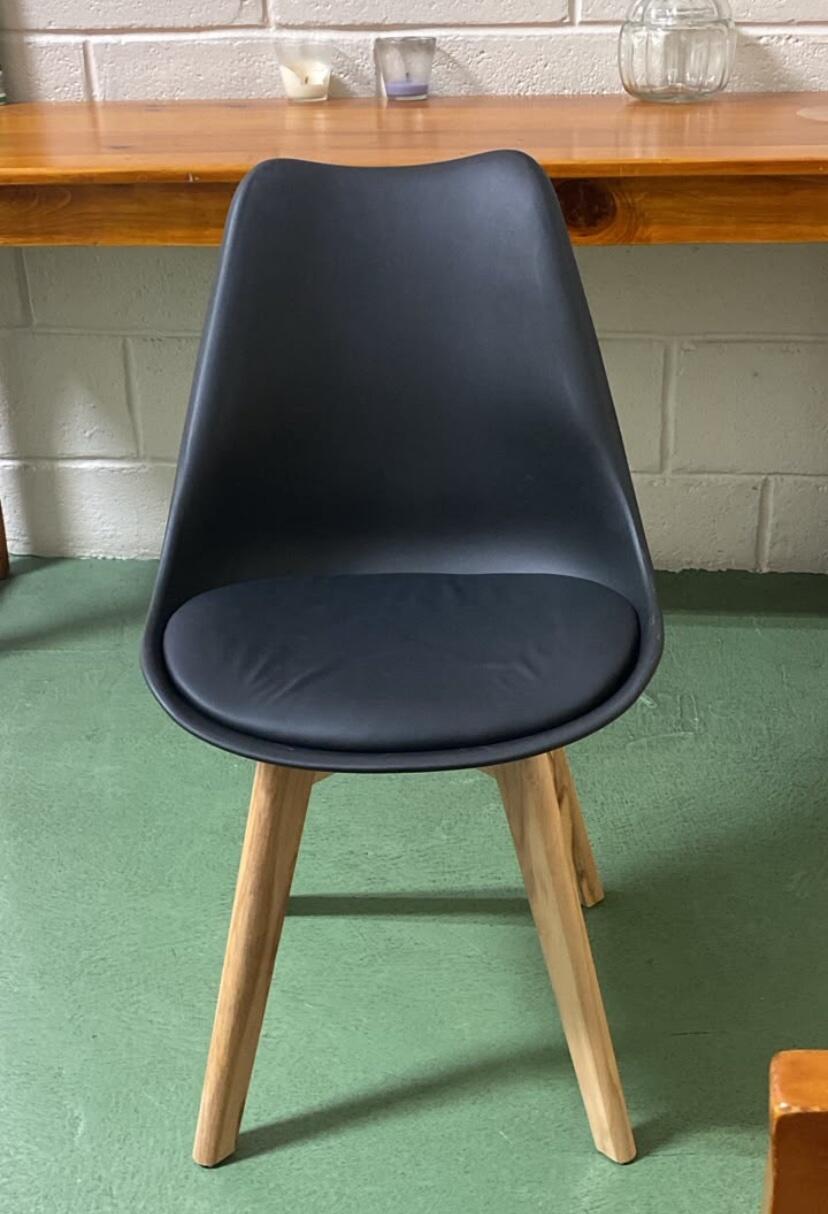
Your shared style doesn’t have to be perfect or planned. Sometimes it starts with one piece of neutral-toned furniture that neither person needs to compromise for—a wooden texture, a soft fabric tone, or a simple black frame that feels like a meeting point. Your home becomes the physical language of your relationship: a place shaped by both of you, equally.

Where Shared Rituals Begin
A couple’s real rhythm doesn’t settle in the big events—it begins at the table. Morning coffee placed in the same spot, two mismatched mugs becoming a pair, one person cooking while the other sets out the plates. A small dining table often becomes the first piece of “our furniture,” the place where little rituals repeat themselves until they start feeling like home.
It doesn’t need to be large or elaborate. What matters is closeness—the chance to sit face to face, share a quiet breakfast, or linger after dinner. This is where routines sync and conversations soften, where everyday life slowly weaves itself into something shared.

Storage: The Quiet Negotiation
Combining two lives means combining two sets of belongings: books, hobbies, keepsakes, even those strangely sentimental things that neither person wants to part with. This is where friction can happen—but also where harmony can grow.
A neutral storage cabinet, especially one with hidden compartments or adjustable shelves, becomes more than a solution for clutter. It becomes a small agreement: “There’s space for you here. Your things matter. You belong.”
Soft wood tones, clean lines, and flexible layouts help reduce visual noise, creating a calmer foundation where two lives can coexist without feeling crowded.

Together Spaces, Alone Spaces
Living together doesn’t mean being together every moment. A healthy shared home offers two types of spaces: the ones you share and the ones where you retreat to breathe.
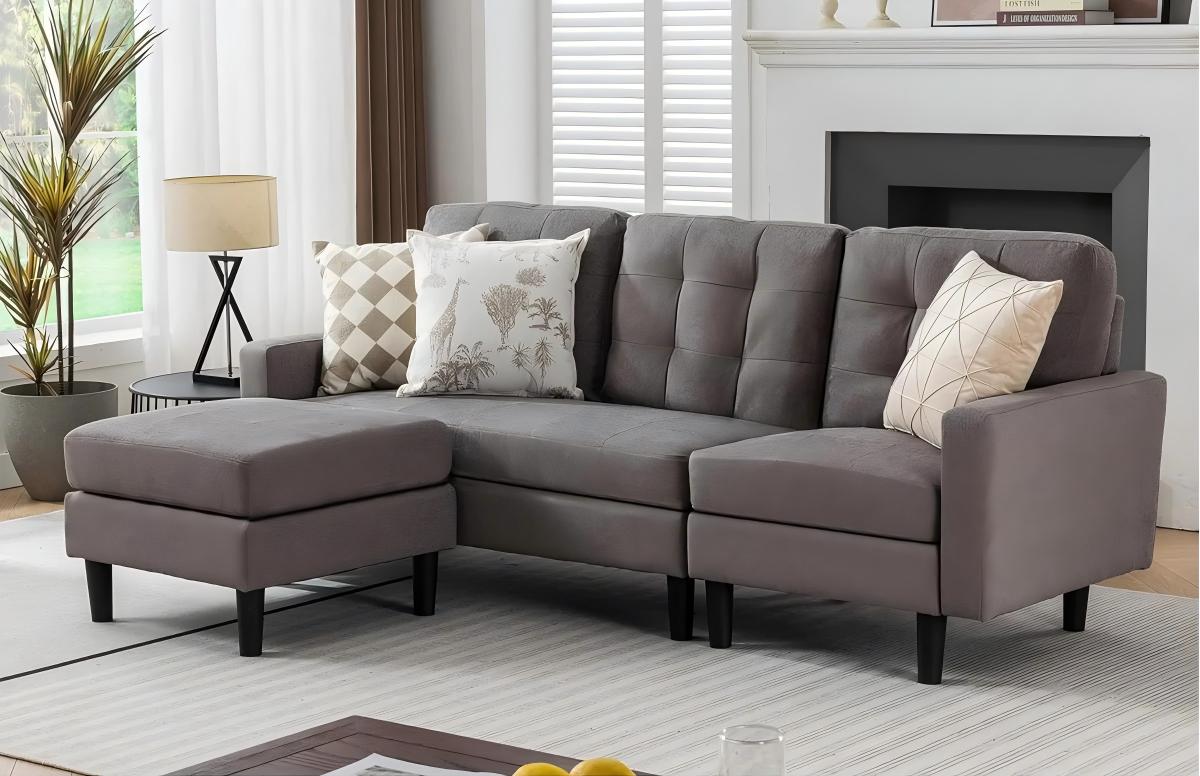
A cozy corner for reading, a small side table holding both of your favorite things, or a bedside surface where each person can place what matters most—these are the subtle touches that balance closeness with independence. The goal isn’t constant togetherness.
It’s the freedom to move between moments of connection and moments of solitude, knowing both are welcomed.

Making a Home, Not Just Sharing One
A shared home isn’t defined by matching tastes or perfect symmetry. It’s built through small negotiations, gentle compromises, and the rituals that slowly become “ours.”
Living together is a soft reset— not a restart, but a blending, shaped by patience, warmth, and the intention to create a space where two lives feel equally held.
Explore VECELO’s warm, neutral pieces designed to help you build a home that reflects both of you—soft, balanced, and beautifully shared.