There are spaces in a home that naturally receive attention. The living room is arranged carefully. Bedrooms are softened with textures and lighting. Dining areas become gathering places almost without effort. But the entryway often remains undefined — treated as a place to pass through rather than a place to notice.
And yet, it quietly shapes the feeling of coming home. The entryway is where the outside world begins to loosen its grip. It’s where routines pause for a moment before continuing inside. Even in the smallest apartment, this transition matters more than we realize.
The First Few Seconds of Home
Most entryways are small.

Sometimes they’re nothing more than a narrow wall near the front door or a corner beside the hallway. But despite their size, they carry a surprising amount of movement. Shoes are removed there. Keys are set down. Bags slip from shoulders after long days. Without intention, these small moments can quickly turn into clutter. But when the space supports these routines naturally, the entire home begins to feel calmer.
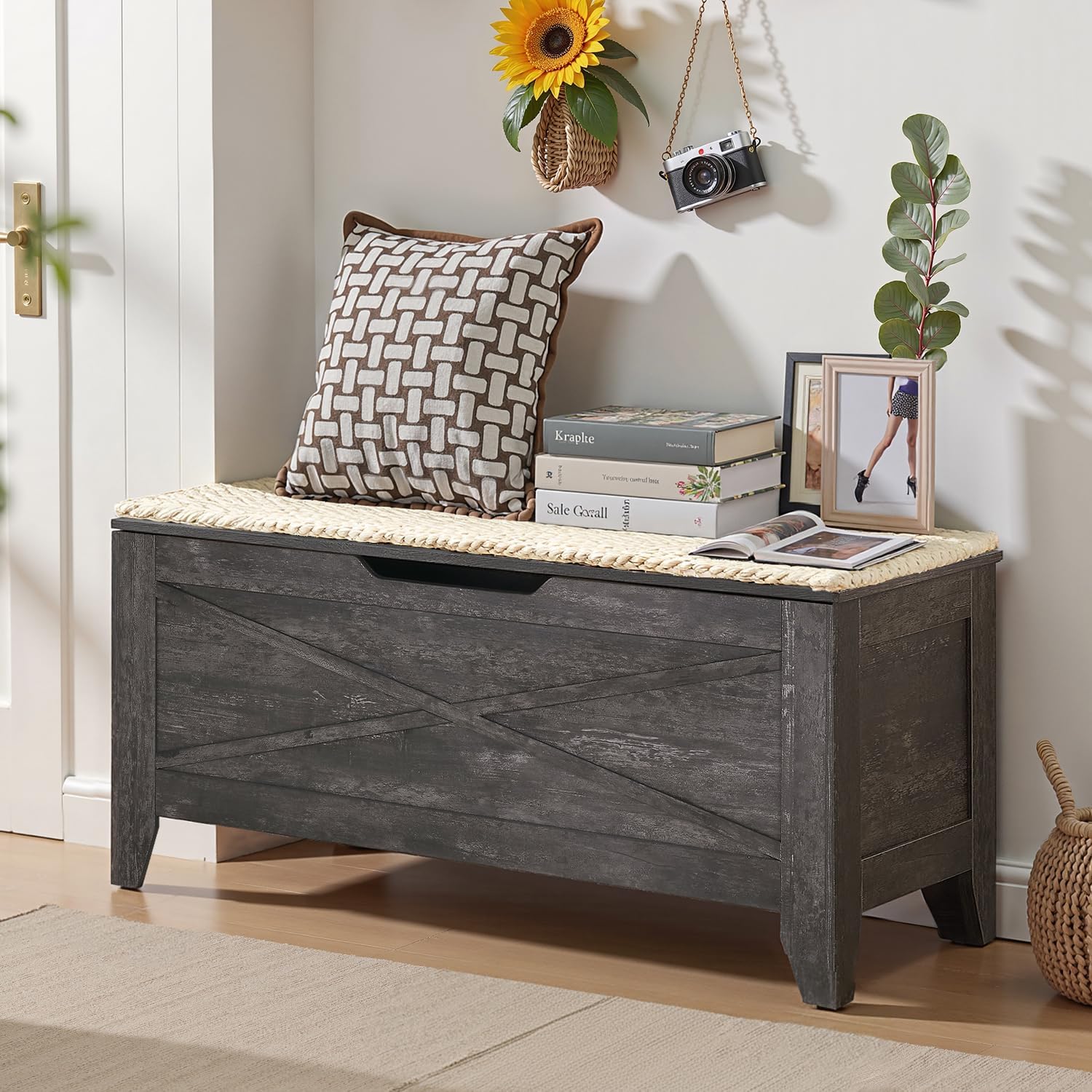
A narrow console table, a simple storage bench, or even a small surface placed thoughtfully near the entrance can quietly organize these transitions. Not in a dramatic way — just enough to give everyday objects a place to land. And often, that small sense of order changes the atmosphere of the entire room beyond it.
A Space That Sets the Tone
The feeling of a home often begins before you fully enter it.

A soft light near the doorway. A clear surface instead of visual noise. Space to move comfortably without immediately feeling crowded. These details shape the emotional rhythm of arriving home, even if we barely notice them consciously.
In smaller apartments especially, the entryway affects how open the rest of the space feels. Heavy furniture near the entrance can make the apartment feel visually compressed from the moment you walk in. Lighter pieces with slimmer lines allow the room to open gradually instead. The goal isn’t to decorate heavily. It’s simply to let the entrance feel welcoming rather than accidental.

Everyday Rituals Deserve Space Too
Some of the most meaningful parts of home are also the most repetitive. Setting down groceries. Hanging a jacket. Looking for keys before leaving in the morning. These routines happen every day, often without thought, yet they shape how smoothly life moves through the space.
When the entryway supports these small rituals, home begins to feel less chaotic. A place for shoes prevents the floor from feeling scattered. A table near the wall becomes somewhere to place what you don’t want to forget. A mirror reflects light while quietly slowing the moment before leaving the house.

These are small gestures, but they create a subtle sense of ease that builds over time.
Small Spaces Can Still Feel Considered
It’s easy to think an entryway only matters in larger homes with dedicated foyers or long hallways.
But often, smaller spaces benefit from intention even more. A compact apartment doesn’t need an elaborate entrance to feel welcoming. Sometimes all it takes is one thoughtfully chosen piece, scaled appropriately for the room, that brings a sense of structure without adding heaviness.
The entryway may be one of the smallest parts of the home, but it’s also one of the most repeated experiences within it. And when that space feels calm, functional, and quietly inviting, the feeling tends to carry into the rest of the home as well.