
Living in a small apartment changes the way you relate to space.
You begin to notice how light moves across the room in the morning. You become aware of how far a chair extends into a walkway. You feel immediately when something is slightly too big, slightly too heavy, slightly out of place. Choosing furniture for a small apartment isn’t about limiting yourself. It’s about paying attention.
Start with the Space, Not the Furniture
It’s tempting to begin with inspiration photos or product pages. But small spaces ask for something quieter first — observation. Stand in the room before you buy anything. Notice where you naturally pause. Notice the path you take from the door to the sofa, from the kitchen to the table. A small apartment works best when movement feels uninterrupted.

When you understand how you already live in the space, choosing furniture becomes less about decoration and more about alignment. Pieces should support the flow that already exists, not compete with it. A narrow console table placed along a wall, for example, can hold everyday essentials without narrowing the passage. The scale feels considered, not imposed.
Let Each Piece Do More Than One Thing
In a larger home, furniture can afford to be singular. In a compact apartment, versatility feels generous.
A dining table might also be your desk. A small table near the window might shift from morning coffee spot to evening reading corner. Folding chairs, once considered occasional, suddenly become practical allies — ready when you host, tucked away when you need openness.

This is where small apartment furniture becomes thoughtful rather than temporary. It adapts. It respects the limited square footage instead of claiming it permanently. The goal isn’t to fill the room. It’s to allow the room to change with you.
Keep the Room Light — Visually and Physically
Two pieces can share the same measurements and feel entirely different.
One feels solid and grounded. The other feels almost weightless.
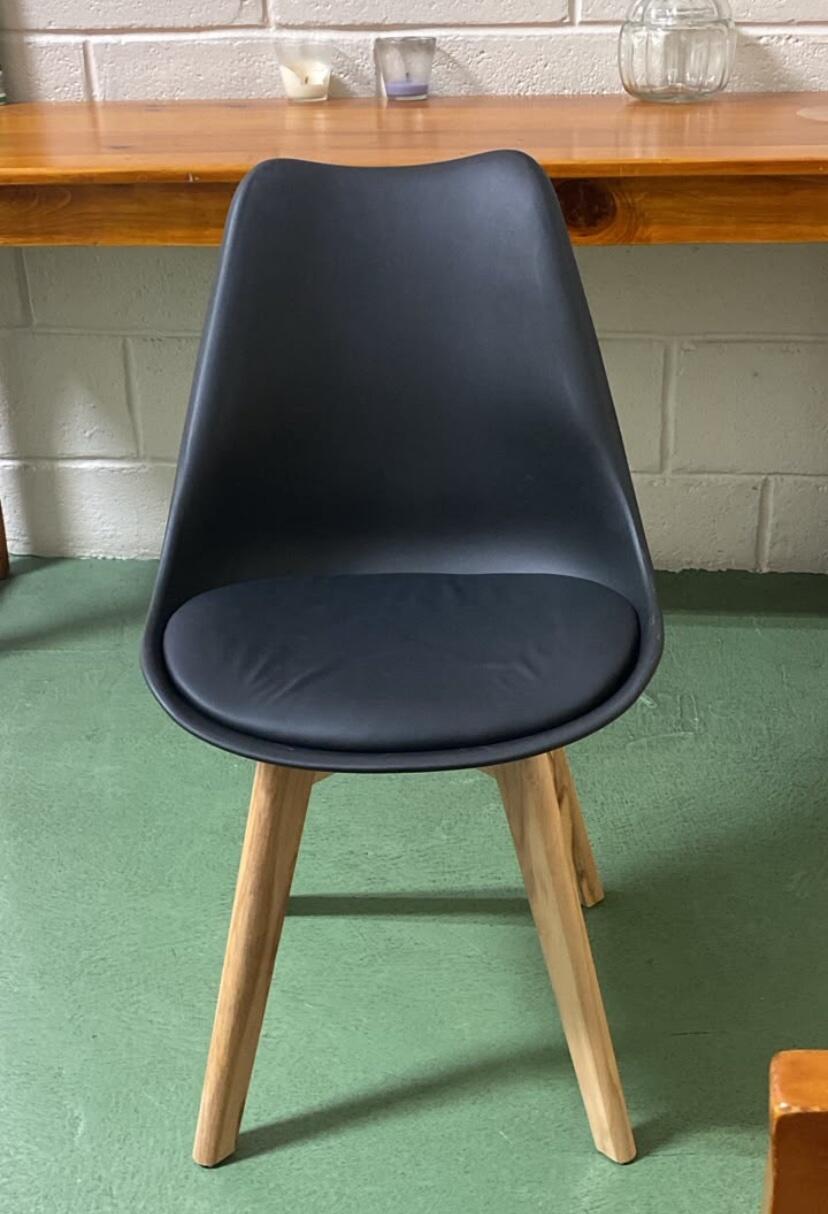
In small apartments, visual lightness matters. Furniture with open frames, raised legs, or slimmer silhouettes allows the eye to move freely. Light travels further. Corners feel softer. The space breathes. This doesn’t mean everything must be minimal. It simply means being aware of proportion. A well-scaled piece can feel intentional, while an oversized one — even if beautiful — can quietly overwhelm the room.

Choose Flexibility Over Permanence
Small spaces live many lives in a single day. Morning routines unfold in one corner. Work happens at the dining table. Evenings invite a different arrangement entirely. The best furniture for small apartments understands this rhythm.
Pieces that can shift, fold, slide, or subtly redefine a zone allow the space to evolve without feeling chaotic. Flexibility brings calm because it removes the pressure of getting the layout “perfect” once and for all. When furniture works with your daily rhythm, your home feels less confined and more considered.

Small apartments aren’t about compromise. They’re about clarity.
When each piece has purpose, the room feels intentional. When furniture respects movement, light, and real life, the space begins to feel larger than it is.
Choosing furniture for a small apartment is less about fitting things in — and more about letting the space, and yourself, move freely within it.