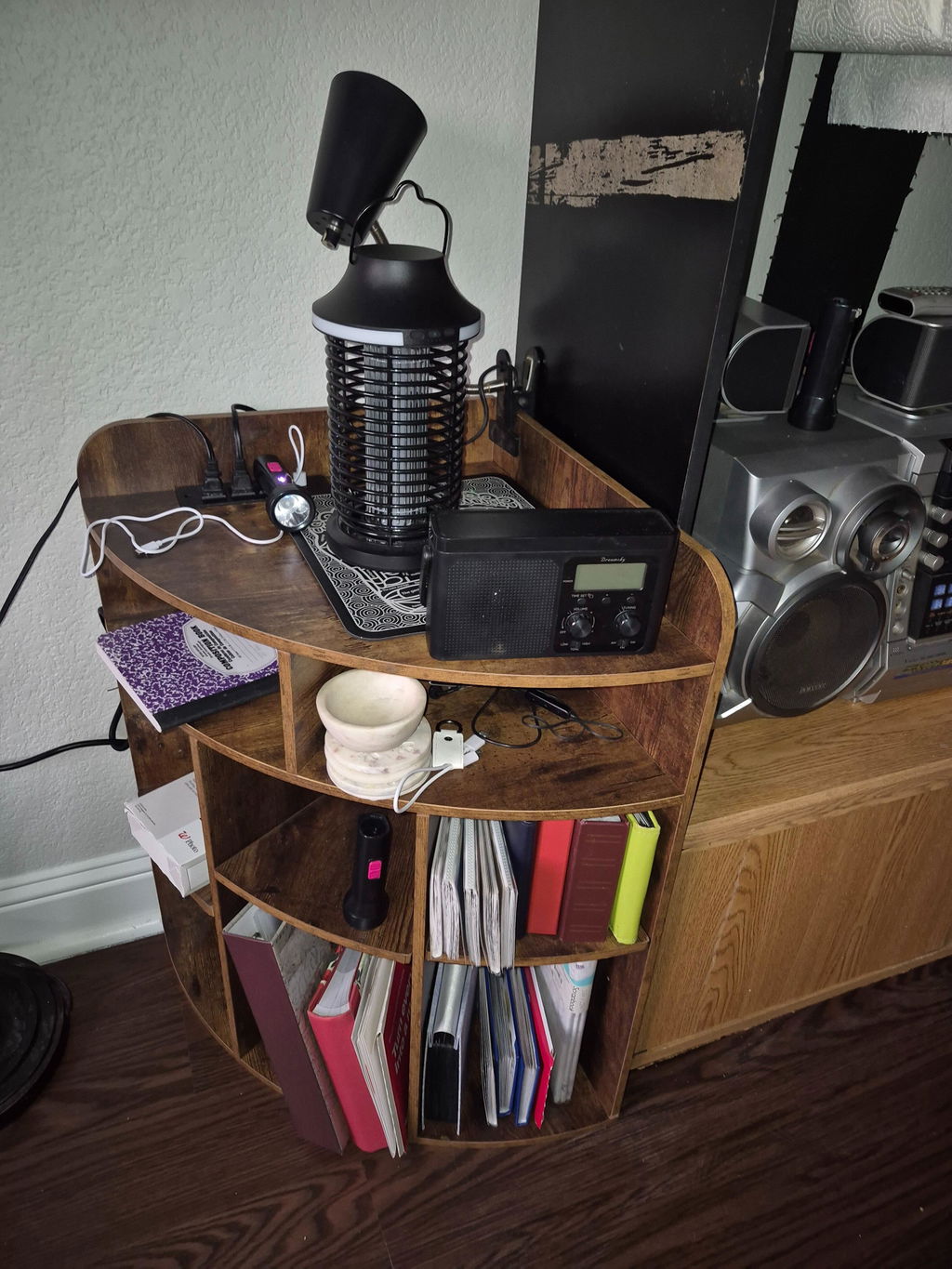

The entryway is often the smallest space in a home, yet it carries a quiet responsibility. It’s the first place you step into after a long day, and the last place you see before heading out the door.
In small apartments, the entryway is rarely a separate room. Sometimes it’s just a stretch of wall, a narrow hallway, or the space beside the front door. But even the simplest entrance can set the tone for the entire home.
Creating a thoughtful entryway isn’t about adding more things. It’s about giving everyday moments a place to land.
A Small Space That Holds Everyday Rituals

When you arrive home, certain gestures repeat themselves almost automatically. Keys are placed somewhere nearby. A bag slides off your shoulder. Mail gets set down, shoes get kicked aside.
A small entryway works best when it quietly supports these routines.
A slim entryway table or console table can become the natural place for daily essentials. Not large enough to crowd the space, but present enough to catch what you carry with you each day. Over time, it becomes less of a decorative piece and more of a familiar pause between the outside world and the comfort of home.
Even in the narrowest hallways, a carefully scaled table can add structure without making the space feel tighter.
Let the Space Feel Light and Open

Because entryways are usually compact, visual balance matters more than we expect.
Heavy furniture can make a narrow entrance feel closed in, while lighter silhouettes help the space stay open and welcoming. Pieces with slim frames, raised legs, or simple lines allow the eye to travel through the space rather than stopping abruptly.
When furniture doesn’t visually block the room, even a small entryway begins to feel calmer and more spacious.
A table paired with a small lamp, a tray for keys, or a simple plant can introduce warmth without overwhelming the area.
Turning an Overlooked Corner Into a Place of Arrival

Many homes have entryways that feel accidental — an empty wall near the door, a corner that collects shoes, or a hallway that people pass through without noticing.
But with a small amount of intention, that overlooked space can become a quiet moment of transition.
A narrow console table, a mirror above it, and a soft light can transform the entrance into something more personal. The mirror reflects light and opens the space. The table anchors the area. A small object or two — perhaps a book, a framed photo, or a plant — makes the space feel lived in rather than temporary.
Suddenly the entryway is no longer just a passage. It becomes the beginning of the home.
Small Spaces Can Still Feel Welcoming

A beautiful entryway doesn’t require a grand foyer or a large hallway.
Sometimes it’s simply a thoughtful surface near the door. A place for keys. A small light that glows in the evening. A piece of furniture that quietly organizes the beginning and end of each day.
In smaller homes, these details matter even more. They shape how the space feels when you arrive, and how smoothly your routines unfold as you leave.
And often, it’s the simplest pieces — scaled for smaller spaces and designed with intention — that make a home feel the most welcoming.